







5 Ways to Start and Maintain an Emergency Fund
This past October, I realized how important saving for emergencies is after needing emergency dental work. I wasn’t happy that I had to dig into my hard earned savings that I had planned to use for a beach vacation, but it was either get the $2,000 procedure or live with excruciating pain. Unplanned life events like these are why I keep an emergency fund. You never know what can happen, and emergencies are almost always untimely and inconvenient. An emergency fund can help soften the blow.
What would you do today if you got a flat tire, or if your basement flooded? Would you be able to pay for the expense? If not, you must begin an emergency fund now. Because in the instance that one of these events or something similar should suddenly happen, you want to be able to pay for it without using a credit card or using other high cost credit products – both of which will just bring you more debt in the long run.
How to Begin Building an Emergency Fund
Plan for and track your spending. If you save a specific amount of money each month for lunch with friends, hair care, bowling night, or other activity or regular discretionary expense, do the same for an emergency fund by setting aside $50 or more a month and putting it into your savings account. It may be hard to do in the beginning, but after three months of doing it will become routine and feel like a regular expense.
Don’t impulse buy. How many times have you gone to the store to pick up one item (bread, cereal, prescription, etc.), only to be pulled into a buy-one-get-one-free or similar sale on a kitchen gadget, or a display of discount books or DVDs near the checkout line? When this happens, remind yourself that the item isn’t in your weekly or monthly and that the item is not a necessary expense.
Lose the luxuries—at least some of them. You will be surprised at how much you can save in just a few months by simply renting movies instead of going to the movie theatre or buying newly released DVDs. Other luxuries like eating out can be limited to once or twice a month instead of once a week.
Forgo the daily coffee and 3pm snack. Do you buy yourself a latte every morning or a bag of chips every day around 3pm? If so, whatever you spend on those purchases, commit to set aside twice the amount of money each week in a savings account. You’ll save a minimum of 10 dollars a week, which comes to about $500 after a year. For some emergencies, that’s enough. If you think that you can set aside more, do so and that way, whatever comes your way, won’t be as much of a hassle.
Don’t play the lottery. Instead of putting $5 or more into scratch off lottery cards that most likely bring you no return, instead put that money into a savings account where it will have an impact and go to good use.
This post is from America Saves. Written by April Crews from the Military Saves Blog. Follow them on Twitter and Facebook.
Learn more about FNB Savings Accounts here: https://staging.growwithfnb.com/personal-savings/


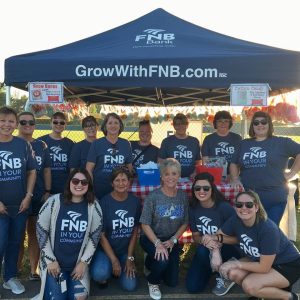 Join FNB Bank on Friday, September 20th for the annual Battle of the Birds Football Game! The Mayfield Cardinals will face the Graves County Eagles at War Memorial Stadium. FNB will be fundraising by selling cotton candy and snow-cones. As a result, all proceeds will benefit the Feeding America BackPack Program for Mayfield and Graves County Schools as well as the Child Advocacy Program of Graves County and Southwest KY.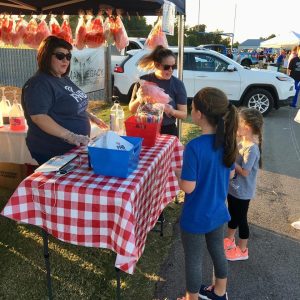


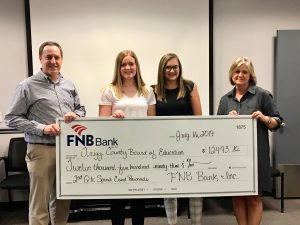
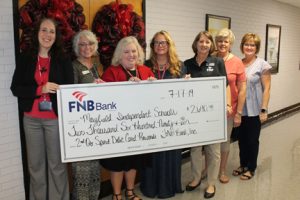 July 29, 2019 (Mayfield, KY) FNB Bank is proud to announce that they have donated over $20,500 back to Mayfield, Graves County and Trigg County Schools through their Spirit Debit Card Program. These donations to the school systems are a result of FNB’s 2nd quarter 2019 Spirit Debit Card Reward Program.
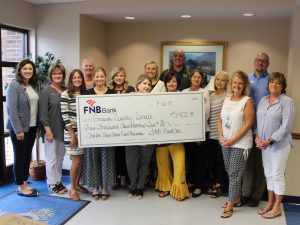 The FNB Spirit Debit Card Rewards Program allows FNB and their customers the opportunity to give back to their local schools when they use their FNB debit card. FNB currently offers Spirit Debit Cards for Mayfield, Graves County and Trigg County Schools. The Spirit Card works like a traditional debit card and for each signature-based transaction (not using your PIN), FNB donates $0.10 to the corresponding school. The tracking process is hassle free for the card holder, as FNB does all the tracking and submits the check to each school on a quarterly basis. The donated funds are utilized at the school’s discretion.
 FNB Bank, founded in 1875, is one of the oldest banks in the state of Kentucky and ranks among the highest in the nation in the area of safety and soundness. The bank currently has eight locations: Mayfield Main, Mayfield Southside, Wingo, Lone Oak, Paducah, Murray, Cadiz Main, and Cadiz West. FNB is member FDIC and an Equal Housing Lender.

